
Published on 7th Apr 2026

Should you feed the birds in the summer?
Each year, bird enthusiasts face the same dilemma: should they stop feeding wild birds during the summer? Conventional wisdom suggests that because natural food is abundant, feeders should be packed away to prevent the spread of disease. However, scientific research reveals a much more nuanced reality.
The idea that summer is an "easy season" for birds is a persistent myth. While the landscape looks lush, this period is actually one of the most gruelling times of the year for garden birds. Adult birds are in a state of constant motion, often making hundreds of trips a day to nourish their chicks, precisely when natural seed stocks are at their lowest. This "hunger gap" can be even more taxing than the depths of winter. Stopping food supplies now doesn't force birds to "go natural"; it simply risks starving them during their greatest moment of need.
Fledglings are particularly vulnerable. They require immense amounts of protein for developing bones and feathers, and natural insect populations don't always meet the demand. By maintaining your feeders, you provide a vital nutritional bridge that significantly boosts their survival rate.
Furthermore, research indicates that removing food sources abruptly can backfire. Birds don't just disappear; they congregate in neighbouring gardens. This increased density leads to overcrowding at fewer stations, which accelerates the spread of diseases like Trichomoniasis.
To truly support your local wildlife, keep your feeders stocked, ensure they are clean, and space them out across your garden. You’ll be helping your birds navigate one of nature’s most difficult bottlenecks.
What should you feed?
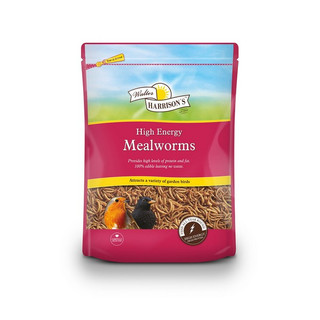
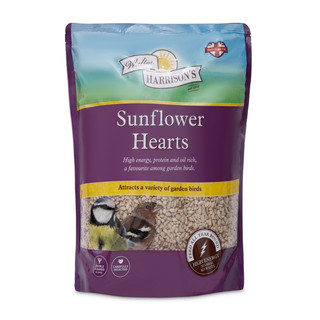
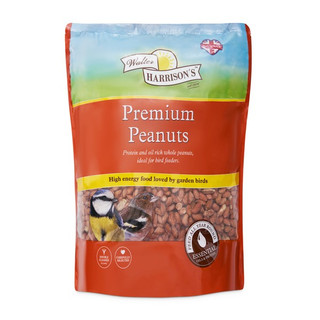
By offering protein-rich options like sunflower hearts, mealworms, and kibbled peanuts, you help bridge the "hunger gap" until natural food becomes more available.
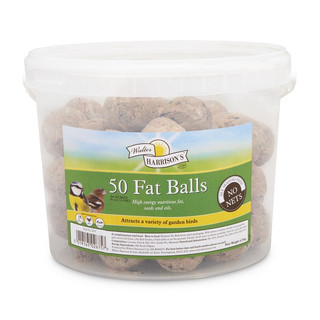
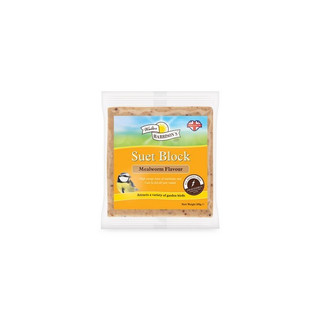
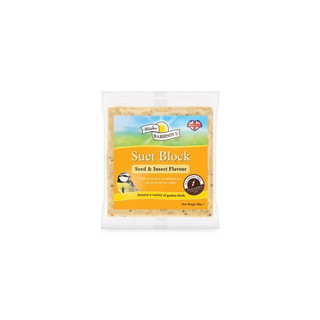
Suet products are also an invaluable resource; these high-energy, fat-based treats allow busy adults to refuel quickly between nesting trips.
Choosing suet with added insects or seeds is especially beneficial during the breeding season, providing the perfect mix of calories and protein to keep parents energized and chicks growing strong.
What else can you do?

Feed regularly to help birds who rely on the food put out through the ‘hunger gap’

Choose suitable bird feed for the summer months

Ensure the feed is fresh and in smaller quantities to help prevent waste

Place feeders apart, ideally in the shade to help avoid crowding

Always clear any discarded food from feeding areas and the ground

1.Regularly remove wet and discarded food to avoid pests and mould

Always provide clean, fresh water for birds to drink and bathe- change this daily to help keep things hygienic

Wash feeders, tables and water bowls regularly with a mild, safe disinfectant. Ensuring they are dry before popping them back out in the garden
Published on 7th Apr 2026