
Published on 30th Apr 2026

Feeding wild birds is a simple and rewarding way to enjoy wildlife and support birds in your local area. It can be especially helpful when natural food is harder to find, and it also brings more nature into your everyday life.
Birds Benefit from Feeding All Year Round, not just in Winter
With a few simple habits, you can help keep visiting birds safe and thriving year-round. Providing fresh food and water, keeping feeders clean and avoiding overcrowding all help create a safe and healthy feeding environment.
THE GOLDEN RULES
Provide a variety of good-quality foods
Different bird species eat different foods, so offering a range will support more birds and allow them to choose what they need.
Keep Food Fresh and Dry
Only put out as much food as birds are likely to eat quickly. Remove wet, mouldy or spoiled food.
Keep Feeders and Birdbaths Clean
Clean feeding and watering equipment regularly, ideally at least once a week, and more often if you see signs of illness.
Spread Birds Out
Use several feeders or feeding areas where possible. This helps reduce crowding and lowers the risk of disease transmission.
Provide Fresh Water
Clean, fresh water is just as important as food, especially in dry or freezing weather.
Watch for Signs of Disease
If birds look fluffed up, lethargic, reluctant to move or have difficulty swallowing, take extra care with hygience and review your feeding setup.
Choose Feeder Locations Carefully
Place feeders where birds can feed safely, with access to nearby cover, but not so close to dense cover that predators such as cats can ambush them.
Create a Bird-Friendly Ecosystem
Wildlife-friendly gardening, including planting for insects, berries and seeds, can help provide natural food and shelter.
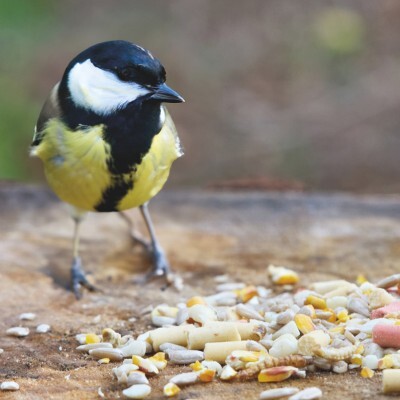
What to Feed
Not all birds eat the same foods, so offering a variety will help attract a wider range of species to your garden.
Offer a mix of foods, such as:
• Sunflower seeds or hearts
• Peanuts (only in appropriate feeders)
• Suet or fat-based foods
• Seeds and seed mixes
• Fruit, such as apples or berries
• Live or dried insects
What to Avoid
Avoid feeding human foods such as desiccated coconut, salty foods like crisps or salted nuts.
Never feed milk, and avoid offering any spoiled or mouldy food.
For more guidance on feeding different species, visit UK Pet Food Feeding Guide for Wild Birds.
With these simple steps, you can support wild birds all year round. From colder months when natural food is harder to find, to spring and summer when birds are nesting and raising young, thoughtful feeding can make a real difference. As the seasons change, so do their needs, and by feeding responsibly and keeping areas clean, you can help birds thrive while reducing the risk of disease.
Full guidance and more detail behind these quick tips from UK Pet Food is available at the link below:
UK Pet Food Pet Care Advice - Understanding Wild Birds