
Published on 8th Jul 2026

A government review could remove Spot-On flea and tick treatments from pet shop shelves. The process has been underway for months, yet few retailers know it's happening. We explain what's going on, what's at stake, and what comes next.
For decades, spot-on flea and tick treatments containing two active ingredients, Imidacloprid and Fipronil, have been the most widely used companion animal parasiticides in the UK. They are effective, affordable and readily available on general sale thanks to their AVM-GSL licence.
Around 28.5 million cats and dogs depend on flea and tick prevention and the clear majority of their owners buy it from somewhere other than a vet practice.
The pressure for change started building around 2017, when environmental researchers began detecting these compounds in UK waterways. Both imidacloprid and fipronil, which are toxic to aquatic invertebrates, have restrictions on agricultural use, so attention turned to companion animal products as a possible source of continued waterway contamination.
Reasearch into the so-called "down the drain" pathway identified owners washing pets, laundering bedding and washing their hands after applying treatments as a significant contributor to what ends up in wastewater.

What followed, hoewever, has been a sustained and coordinated campaign by environmental and veterinary groups to use that evidence as the basis for removing these products from general sale, without explaining how reclassification would actually solve the problem, or what the environmental consequences of the alternatives might be.
In February 2026, the Veterinary Medicines Directorate (VMD), the government body that regulates veterinary medicines, opened a formal call for evidence on whether the distribution category for these products should change.
The Numbers that Matter
£100m +
the estimated annual retail value of spot-on flea and tick treatments at stake in the independent pet retail channel
~2,700
independent pet shops currently stocking these products, around 90% of the UK's independent pet retail sector
67%
of cat and dog owners who were completely unaware this review was happening, according to independent polling of 2,001 UK pet owners in May 2026.
23%
of pet owners who said reclassification would cause them to treat their pets less frequently or stop altogether
2:1
the ratio by which consumers prefer continued open access with improved guidance over reclassification requiring professional consultation
What Reclassification would actually Mean
Some organisations, including environmental lobby groups, have called for a total ban; others for reclassification to prescription-only status, known as POV-V, which requires a vet's prescription before purchase.
But this would effectively end over-the-counter sales of these products entirely. The Competition and Markets Authority, which published a major report on the veterinary sector in February 2026, found that vet practices are already overcharging consumers and are not working in their best interests.
A switch to NFA-VPS status is now being presented by many as the moderate compromise. It would require that products be sold only by, or under the supervision of a Suitably Qualified Person (SQP), who are professionally trained advisors with a recognised qualification.
However, there are approximately 6,500 SQPs registered across the UK, with around 2,500 of them employed by large pet chains and around 4,000 in vet practices. For the UK's 2,700 independent pet shops, the maths simple doesn't work.
The national SQP register would need to double just to staff the independent retail sector. The qualification costs, annual renewal, new regulatory regime and necessary 6 hours of continuing professional development every year, would make this less of a compliance question for smaller pet retailers, but a viability question.
Where Things Stand Now
While the VMD's call for evidence has closed, the House of Lords Environment and Climate Change Committee simultaneously launched its own inquiry and began hearing oral evidence in June. The Committee has received written submissions from manufacturers, environmental scientists, animal welfare organisations and trade bodies.
The evidence is more contested than the campaign for reclassification suggests. Monitoring data shows that imidacloprid concentrations in UK rivers have been falling consistently since 2016, without any change to the distribution category. By 2024, usage had fallen to its lowest-ever level, with the case for urgent intervention weakening in the data while political presure is intensifying.
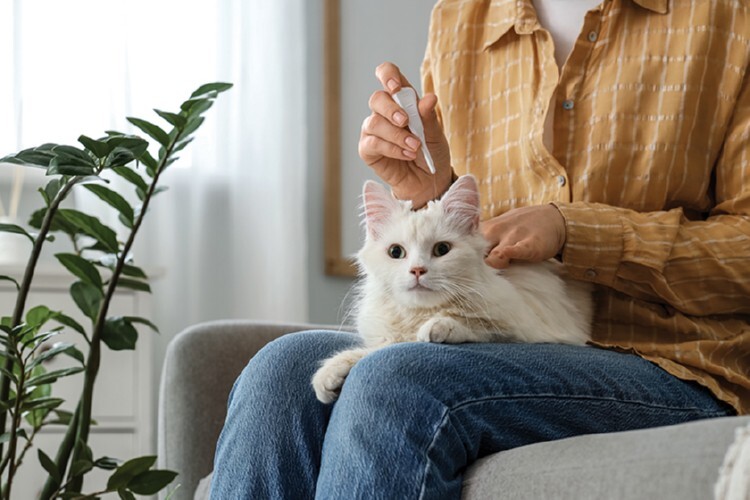
The question the debate has almost entirely ignored is what happens to the environment if spot-on treatments are replaced by prescription-only alternatives? The newer generation of systemic flea treatments (isoxazoline class), sold mainly through vets are eliminated primarily through animal faeces.
Their UK sales volumes already exceed those of imidacloprid at its lowest ever level. The environmental argument for reclassification may be trading one problem for a larger and less well-understood one.
What happens next and what you can do
The Lords Committee will continue hearing evidence and is expected to publish its report later in 2026. The VMD will assess the evidence submitted to its call for evidence and make recommendations on the distribution category. No decision has been made and the outcome remains genuinely uncertain. This means the next few months matter.
The most useful thing an independent retailer can do right now is make their position known.
If you have a relationship with your local MP or with your trade associaton, this is the moment to use it.
Independent retailers have been almost entirely absent from this debate. The polling data is stark - 76% of surveyed independent pet shops said NFA-VPS reclassification would make it unlikely or impossible for them to continue stocking these products. Yet their voices have been largely unheard in a process dominated by environmental scientists, veterinary associations and NGOs.
The debate is live, the outcome is not fixed and the commercial consequences for independent pet retail of getting this wrong could be significant and long-lasting. The customers who rely on you for effective, affordable, accessible flea and tick prevention, particularly those who cannot access or afford regular veterinary care, are counting on you to be part of this conversation.
* This article is intended as factual background for retailers. All polling data from Censuswide, May 2026, n=2,001 UK cat and dog owners. SQP data from Amtra, Vetpol and Vetskill national registers 2026.